
Bliss·
Summer·
Sex·
Jetset·
Nostalgia·
Pleasure
Destination Unknown
 TV
TVAn annual membership. A singular obsession with the good life. One price. No compromise. Destination unknown.

In the long, warm summer of desire, something ancient calls from beneath the noise of daily life. Not louder. Closer.
It speaks in the language of the body. In heat. In longing. In the particular electricity of a room when something is about to begin.
Paradise is a place of bliss where all you can do is relax and play. After everything else is done, the soul feels called to ignite. To release. To desire. To enjoy.
For those of you who feel it: Truth Seekers. Dream Chasers. Reality Builders. Consciousness Divers. Cosmic Scientists. Beauty Alchemists. Wellness Lovers. Learners of the Way.
This is for you.




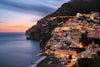
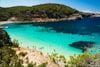
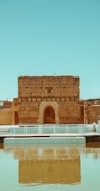


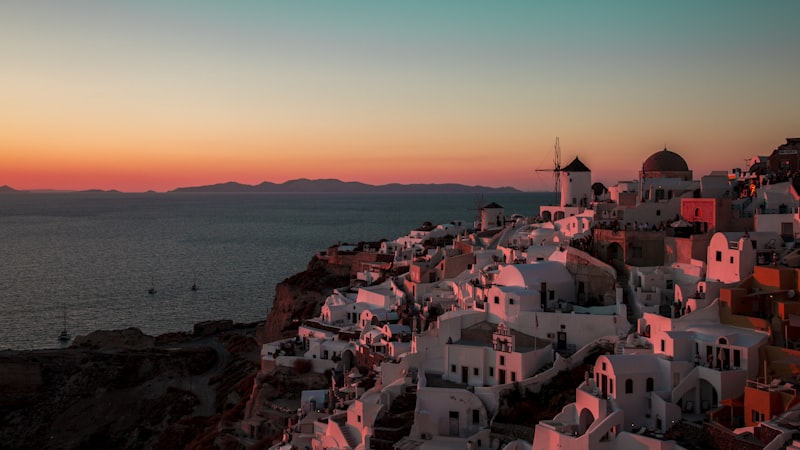
Everyone arrives in Santorini convinced they know what they're about to experience. They've already seen it a thousand times. Whitewashed churches. Blue domes. Infinity pools. The famous sunset.
It is one of the most photographed places on Earth, yet one of the least understood.
Because Santorini isn't a sunset destination. It's a morning destination.
By eleven o'clock, the island begins performing for its audience. Cruise passengers pour into Oia, photographers queue along marble alleyways, restaurant hosts negotiate for the best terrace, and the quiet rhythm that made the Cyclades legendary disappears beneath the weight of its own reputation.
But wake before seven and another island quietly appears. The bakery opens before the cafés. Church bells echo through empty streets. Cats stretch across warm volcanic stone. The smell of fresh sesame bread drifts through Imerovigli long before anyone is taking photographs. The caldera, almost impossibly still, reflects a pale silver light that feels completely different from the dramatic sunsets that dominate every travel account.
This is the Santorini worth flying across the Atlantic for. Not because it's hidden. Because most people are asleep.
Luxury has changed. Five years ago it meant infinity pools, private jacuzzis suspended above the caldera and suites designed almost entirely around photographs. Today, the smartest travelers are searching for something quieter.
They're booking restored cave houses instead of oversized resorts. Choosing family-owned wineries over champagne lounges. Hiring fishermen to take them around the island rather than joining sunset cruises with two hundred strangers.
The luxury isn't exclusivity. It's intimacy.
The best hotels no longer compete over who has the biggest terrace. They compete over silence. A breakfast served without music. A view uninterrupted by another balcony. A concierge who recommends a taverna instead of the restaurant everyone's filming.
That shift says everything about where sophisticated travel is heading. People no longer want Santorini to impress their followers. They want it to slow them down.
Begin before dawn. Not dramatically early — just early enough to walk down to the port at Ammoudi before the fishing boats return. Order coffee from whichever café has its lights on. Sit facing the water. Don't photograph it.
By nine, climb back up to Imerovigli — not Oia, which won't become worth visiting until five in the afternoon. Walk the Skaros Rock path. The caldera opens up on both sides and you will understand, perhaps for the first time, that this island sits inside the crater of a volcano, and that what you're looking at is one of the most violent geological events in recorded history, now carpeted in bougainvillea and whitewash.
Lunch at a place without a view. This is not a paradox. The restaurants with the best views have long since stopped needing to cook well. Find Metaxi Mas in Exo Gonia — inland, unfashionable, difficult to find, and almost certainly the best meal you'll eat in Greece this year. Order the fava. Order the grilled octopus. Order whatever the owner suggests and don't ask for the menu in English.
Spend the afternoon on a boat. Not a sunset cruise. Ask your hotel to arrange a private hire with a local captain — five hours, the caldera, the hot springs, the black sand beaches of Perissa from the water, lunch somewhere that isn't on any map. This costs roughly what a tasting menu dinner would cost and is infinitely more memorable.
Return to the island at dusk. Have a glass of Assyrtiko on a terrace while the light changes. Watch Oia from a distance. It is, viewed from Imerovigli with a cold glass of white wine, genuinely one of the most beautiful sights in the world. You simply need to be watching it rather than inside it.
The Santorini long lunch is an act of mild rebellion against the island's own tourism infrastructure, which has spent decades trying to convince visitors that the only meal worth having is a sunset dinner on a cliffside terrace with a waiting list and a wine list designed for people who are trying to impress someone.
The correct version happens at midday, somewhere without a caldera view, with a carafe of local wine and no particular agenda.
Selene, which has for decades been the island's most serious restaurant, serves lunch — a fact that surprises visitors who assume Michelin-adjacent cooking happens only in the evening. The chef Ettore Botrini's menus draw on Cycladic ingredients with a rigour that feels more like scholarship than fashion: cherry tomatoes smaller than your thumbnail, fava from Santorini soil that tastes genuinely different from fava grown anywhere else, fish caught within sight of where you're sitting.
But the long lunch we'd actually recommend is the one you stumble into rather than reserve. Drive inland. Stop at whichever taverna has the most cars outside that belong to people who live here rather than people who are visiting. Order the lamb. Stay for two hours. Consider staying for three.
They don't go where you'd expect. The Santorini that appears in every fashion shoot and travel editorial — white walls, wicker furniture, models in linen — is real, but it requires knowing which specific terrace, which specific village, which specific hour of the late afternoon light.
Pyrgos. Almost nobody goes to Pyrgos. It sits inland at the island's highest point, is forty minutes' walk from the nearest caldera view, and contains some of the oldest architecture on the island alongside a handful of restaurants and a wine bar with a view of the entire island spread out below you at dusk that is, without exaggeration, more beautiful than anything you'll see from Oia.
The people who know this island properly don't stay in Oia. They stay in Imerovigli or Firostefani — the quieter villages on the caldera rim — and they use Oia as a destination rather than a base. They walk there in the early evening when the light is correct and the cruise passengers have largely returned to their ships, and they leave before the sunset performance reaches its climax.
Vedema Resort — Megalochori. The most un-Santorini hotel on the island, which is exactly why it's correct. Housed in a restored wine estate in the island's most unspoiled village, without a caldera view, without an infinity pool suspended above the sea, without the performance. What it has instead: architecture that feels genuinely old, a wine cellar beneath the main building, and a quality of silence that no cliffside hotel can offer. If you are staying in Santorini to escape rather than to be seen, stay here.
Mystique — Oia. If you are going to stay in Oia — and you should, at least once — stay at Mystique, which has the rare distinction of feeling like a real place rather than a set. The suites are carved into the cliff. The pool is a long dark rectangle that doesn't try to photograph well. The staff will arrange the boat, the captain, and the lunch without you asking twice.
Katikies Garden — Imerovigli. Our actual recommendation. Caldera views without Oia prices or Oia crowds. Breakfast served on a terrace above the sea. The kind of hotel that makes you feel you've made a better decision than everyone else on the island, which, staying in Imerovigli, you probably have.
The Santorini wine scene has quietly become one of the most interesting in Europe. This is not something most people know, because most people drink the island's wines as a backdrop to a sunset rather than paying them any real attention.
Estate Argyros produces Assyrtiko from ungrafted vines that are over two hundred years old. The wines taste like mineral water and chalk and something else entirely — the volcanic soil leaves a signature that no other place on Earth can replicate. Visiting the estate, which sits in the center of the island away from the tourist infrastructure, is as close as Santorini gets to an authentic agricultural experience. Go in the morning. Bring questions.
Santo Wines is the cooperative, and therefore unfashionable among serious wine people. It is also, from a certain terrace above the caldera in the early evening, one of the most beautiful places in Greece to drink a cold glass of wine. The view is the point. The wine is very good. Sometimes that's enough.
In dining, the movement away from tourist-facing restaurants toward neighborhood-scaled places serving genuinely local cooking has accelerated. Metaxi Mas in Exo Gonia. To Psaraki at Vlychada beach, where the fishing boats dock beside the outdoor tables. Nikolas in Firostefani, which has been making the same dishes since 1955 and will continue making them long after everything currently fashionable has closed.
Bring home a bottle of Vinsanto — the island's dessert wine, made from sun-dried grapes, aged in oak, amber and sweet and tasting like dried figs and something ancient. This is not a souvenir. It is one of the great dessert wines of the world and costs a fraction of what comparable wines from France or Portugal would command.
The ceramics. Santorini has a long tradition of ceramic production using the island's distinctive volcanic clay, and several studios in the Megalochori area still produce hand-thrown pieces that are worth transporting home carefully. The work is not decorative in the tourist-shop sense — it is functional, beautiful, and made to last.
The saffron from Santorini is different from Spanish or Iranian saffron. The volcanic soil produces a thread with a more complex aromatic profile. It is extraordinarily expensive and worth every euro.
Swim in the caldera. Not at the hot springs, which are orange with sulphur and surrounded by boats. From a quiet cove on the island's interior — ask your captain to find one. The water is extraordinarily warm, extraordinarily clear, and the knowledge that you're swimming inside a volcanic crater is the kind of thing that resets the nervous system in ways that no spa treatment can approximate.
Walk. The path from Fira to Oia — the caldera trail — is three hours if you take it seriously, considerably longer if you stop at every view. Most visitors do it in neither direction, which is their loss. The walking clarifies everything: the scale of the island, the relationship between villages, the quality of the light at different hours. You cannot understand Santorini from a terrace. You have to walk it.
Everyone tells you to stay in Oia. We wouldn't.
Stay in Imerovigli. Visit Oia in the early evening when the cruise ships have left. Leave before the sunset crowd gathers.
If your hotel offers a sunset dinner, politely decline. Spend sunset on the water instead. The island looks better from the sea than it does from any terrace.
The best restaurant on the island isn't necessarily the hardest reservation to get. It's the one you'll remember five years later. Usually it has plastic chairs and no caldera view.
Book the boat before you book dinner. Everything else fits around it.
April and October. Not August. Never August.
Santorini is the most misunderstood easy destination in the world. Everyone has seen it. Almost nobody has experienced it properly. The photographs have become the destination — which means the actual destination is, for anyone willing to arrive before the photographs, entirely uncrowded.
We return every other year. We always stay in Imerovigli. We always hire a boat. We always eat inland at least twice. We always leave feeling that we've been somewhere genuine, which is a feeling that the photographs would suggest is impossible to have on this island, and which the photographs are wrong about.
From the Paradise Editor — Aethernal. Updated seasonally.
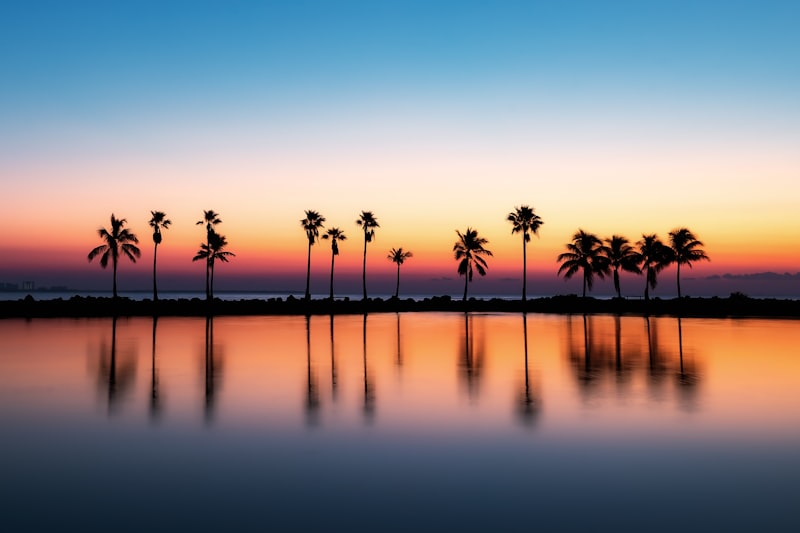
Miami is the only American city that has successfully convinced itself — and, remarkably, the rest of the world — that it exists outside of America.
This is not entirely a delusion. The light here is genuinely different. That subtropical gold, arriving flat and warm and unhurried in the late afternoon, transforms everything it touches into a version of itself that looks like a memory rather than a fact. Buildings glow. Skin deepens. Even the traffic on Biscayne Boulevard becomes, in the right light, briefly cinematic.
The city is also, more than any other in the country, in a state of constant reinvention. Miami a decade ago bears only a passing resemblance to Miami today, and the version that will exist a decade from now is already being assembled in Wynwood warehouses and Brickell penthouses and the conversations happening at dinner tables in Coconut Grove.
This is the source of its peculiar energy — and also the source of its peculiar anxiety. A city that reinvents itself this quickly is a city that is never entirely sure what it is. Which makes it either exhausting or endlessly interesting, depending entirely on how you arrive.
Miami has spent the last five years completing a transformation that began long before the pandemic accelerated it. The city that was synonymous with Ocean Drive and spring break and a particular brand of excess that felt, by the early 2010s, slightly embarrassing — that city has been quietly and comprehensively replaced by something more sophisticated.
The Design District, which a decade ago was a marginal neighbourhood of warehouse space and auto-body shops, is now one of the most architecturally interesting two square miles in America. Louis Vuitton and Hermès and Rolex are here, obviously, because luxury follows money and Miami has money. But so are serious galleries, independent restaurants of genuine ambition, and public art installations that have no interest in being accessible.
Wynwood is further along in the gentrification cycle — the murals that made it famous are now a backdrop for content creators — but the energy hasn't entirely left. The right gallery, on the right evening, with the right crowd, still produces the feeling that you're in a room where something is being decided about what comes next.
Coconut Grove has become, without much announcement, the best neighbourhood in Miami for actually living rather than performing. The restaurants are quieter. The streets have trees. The bay is visible from tables where people are having conversations rather than checking their phones for the reaction to the photograph they just took of their food.
The city is learning, slowly, to be somewhere. Which is the most interesting thing it has ever done.
Begin at Zak the Baker in Wynwood. Not because it's fashionable — it was, is no longer, which makes it correct. The bread is the point. The coffee is strong. The outdoor tables fill early with a mix of people that feels genuinely like the city rather than a particular demographic of the city. Eat slowly. The day should not begin quickly.
Walk through the Design District. Not to shop — the shopping is available anywhere in the world with a credit card — but to look at the architecture. The Fondazione Prada building by Herzog & de Meuron. The De La Cruz Collection, one of the finest private art collections in America, open to the public at no charge. The way the light moves differently through the district's wide streets than it does through South Beach's canyon corridors.
Lunch at Mandolin Aegean Bistro in the Upper East Side — a neighborhood that has no business being as charming as it is, with a restaurant that has no business being as good as it is, serving Greek food in a garden that makes Miami's climate feel like a gift rather than a punishment.
The afternoon belongs to the water. Not the beach — or not yet. The bay side of the city, specifically the stretch of Virginia Key where the city thins out and the water is calm and the skyline behind you begins to feel like a backdrop rather than a presence. Paddleboard. Kayak. Float on your back in water warm enough to stay in until the sun begins to lower and the light turns the colour it's famous for.
The beach at dusk, when the crowd has thinned and the ocean turns from green to silver. Walk south from 14th Street until you find a stretch where you can hear the water properly. Don't eat dinner before nine. Nobody does.
The Miami long lunch is a political act. In a city organized around efficiency and performance and the management of appearances, choosing to spend three hours at a table on a Tuesday is a declaration that you operate on different terms.
The location is Lulu in the Grove — a restaurant in Coconut Grove that has been open long enough to have developed a clientele that treats it like a club, which is the highest compliment any restaurant can receive. The garden fills from noon with people who clearly know each other, or quickly become people who do. The fish is fresh. The wine list is not trying to be impressive. The staff have been there long enough to know which table you'd prefer.
The alternative is brunch, which in Miami is treated with the seriousness that a different culture might apply to a religious ceremony. Le Jardinier in the Design District does a version that is at once genuinely beautiful — the room, the food, the way the light enters from the skylight — and genuinely delicious, which in a city where brunch is often primarily Instagram content is not something to take for granted.
Not South Beach. Or not the South Beach that appears in the photographs. The real South Beach — the one worth being in — is the Art Deco streets south of Fifth Street, which still feel like a different decade, and the stretch of beach between 1st and 5th where the crowd is genuinely diverse and the water is cold enough to matter.
Sunset Harbour. An unassuming neighbourhood on the bay side of South Beach that has, over the last decade, accumulated the best density of genuinely good restaurants and genuinely interesting people in the city. Eating at Amara at Paraiso on a warm evening, with the bay visible and the city glowing behind it, is one of the better experiences Miami offers.
The pool at the Edition Hotel. Not because it's exclusive — it's a hotel pool — but because it is, on a Wednesday afternoon, one of the places in Miami where the city's particular version of beauty is most legibly on display. Arrive at three. Leave before six. The evening crowd changes the atmosphere entirely.
The Surf Club — Four Seasons. Surfside. Twenty minutes north of South Beach, which is the first thing to recommend it. Richard Meier's architecture — minimal, rigorous, built around the relationship between interior and exterior — is the second. The restaurant, overseen by Thomas Keller, is the third. The pool is the fourth: a long oval surrounded by cabanas and the kind of effortless good-looking crowd that makes you feel you've arrived somewhere that requires no further justification.
The Faena. Mid-Beach. The most theatrical hotel in Miami, which in Miami is saying something. Alan Faena's vision of the city — baroque, golden, South American in its excess — is either exactly what you want or entirely what you don't, with very little middle ground. The beach club is worth visiting regardless. The Basement nightclub is one of the few in America where the DJ selection is serious enough to warrant the journey.
Freehand Miami. If the above feels excessive — and it is, deliberately — the Freehand is the alternative. A converted historic hostel in the Upper East Side that has been transformed into a genuinely beautiful hotel without losing the social quality that made it interesting in the first place. The Broken Shaker bar is still the best bar in Miami after fifteen years of other bars trying to be.
Miami's restaurant scene has matured so rapidly in the last decade that the city now has a genuine culinary identity rather than a collection of outposts of New York and Los Angeles restaurants looking for a second location. Stubborn Seed in South Beach. Cote Miami in the Design District, which does Korean barbecue with a seriousness that the format rarely receives. Fiola Mare at the Grove Harbour, which has consistently been the best Italian in the city for years without generating the attention it deserves.
In galleries: Superblue has brought immersive art to a city that was already predisposed to immersive experience, which is either the best possible fit or a slightly too obvious one depending on your tolerance for crowds. The ICA Miami in the Design District remains the most serious institutional space in the city for contemporary art and consistently punches above its size in programming.
The vintage clothing in Wynwood and the Upper East Side is significantly better than its reputation suggests. Miami has been a destination for Latin American travelers with excellent taste for decades, which means that what ends up in the city's secondhand shops is often extraordinary. Allow a morning for this.
Sunscreen, obviously. But not the sunscreen they sell you at the pharmacy. The French pharmacy sunscreens — La Roche-Posay's Anthelios range, particularly the ultra-fluid formulation — are available at select pharmacies in Brickell and perform differently in Miami's humidity than their American equivalents.
The ceramics from Coral Castings in the Design District. Small production run, designed by a Miami-based ceramicist who learned the craft in Japan and applies it to distinctly local shapes and glazes. The work is serious. The prices are not yet adjusted for the market.
Swim in the ocean. Not in the hotel pool. In the actual ocean, which in Miami runs from warm to very warm depending on the season and is salty enough and clear enough and warm enough that twenty minutes in it resets something in the nervous system that no spa treatment has yet managed to identify, let alone replicate.
The Amara Spa at the Biltmore in Coral Gables offers treatments that draw on Cuban and Afro-Caribbean wellness traditions — a reflection of Miami's actual cultural makeup rather than the generic luxury spa vocabulary that most hotels in the city default to. Book the aromatherapy massage using local botanicals. It smells like the city at its best.
Skip Ocean Drive entirely. It was interesting in 1990.
Sunset Harbour is where people who live here actually eat. Start there.
Swim after 6 PM. The water is the same. The crowd is entirely different.
November through March. July is for people who grew up here and have made their peace with it.
Explore one neighborhood per day. Miami punishes itineraries that try to cover the whole city. It rewards the traveler who goes deep in one place.
The Art Basel crowd is real. The week around it is the most interesting the city is all year. The hotels cost four times as much and are worth it once.
Miami is the most contradictory city we return to. It is simultaneously the shallowest and most vital city in America — a place where the performance of life and the actual living of it happen in the same room, sometimes at the same table. We find this exhausting and completely addictive in roughly equal measure.
The version of Miami worth knowing is not the one on television. It is the one visible from a kayak in Biscayne Bay at seven in the morning, when the city is beginning and the light is doing what the light here does better than almost anywhere else on Earth.
From the Paradise Editor — Aethernal. Updated seasonally.
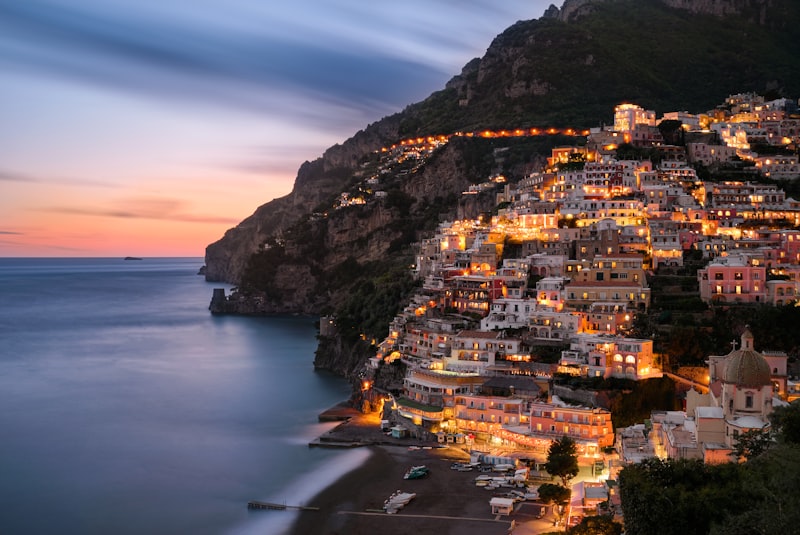
The road that runs along the Amalfi Coast was built in 1853 and has not been meaningfully improved since. It is, by contemporary standards, not wide enough for two cars to pass each other without negotiation, not safe enough for the speed at which everyone drives it, not designed for the volume of traffic it receives in July and August, and not, it must be said, designed at all — it simply follows the cliff because the cliff was there first and everything else had to adapt.
This is the first and most important thing to understand about the Amalfi Coast: it was not designed for you. It was designed for donkeys, and occasionally for the gods, and everything since has been improvisation.
The second most important thing is that it is, despite every logistical inconvenience, one of the most beautiful places in the world. Not photographically beautiful — though it is that too, relentlessly and unavoidably. Physically beautiful. The kind of beautiful that you feel in the body, that changes the rate at which time passes, that produces the specific disorientation of being somewhere so extraordinary that ordinary life briefly loses its claim on you.
The coast runs for thirty miles from Sorrento to Salerno, with the Lattari mountains rising almost vertically behind and the Tyrrhenian Sea spreading out below in a colour that shifts between turquoise and deep sapphire depending on depth and cloud and time of day. Vertical farming on terraces cut into the cliff produces the lemons that flavour the limoncello that appears at the end of every meal whether you want it or not. Fishing boats work at night and return at dawn. The villages — Positano, Praiano, Furore, Amalfi, Ravello — cling to the rock at angles that seem architecturally inadvisable and have survived centuries of landslides, earthquakes, and tourism.
The Amalfi Coast has been famous for so long — Gore Vidal lived here for thirty years, John Steinbeck wrote about it in 1953, the Humphrey Bogart films of the 1950s were essentially promotional content — that the question of why it matters right now seems slightly impertinent. It has always mattered. It will always matter.
But there is a version of the coast that is emerging that is worth paying attention to: slower, more agricultural, more interested in what the land actually produces than in what the sea looks like behind the plate.
A generation of chefs is cooking with the produce of the Lattari mountains — the wild herbs, the San Marzano tomatoes grown in volcanic soil, the fior di latte cheese from buffalo farms twenty minutes' drive inland — in ways that reflect genuine curiosity about the territory rather than a desire to satisfy the Michelin inspector's expectations.
The accommodation has similarly evolved away from the grand hotel model toward smaller properties — converted farmhouses, family-owned pensioni, restored trulli and mills in the hill villages — that offer a different experience of the coast: one in which you live in it rather than observe it.
Book the boat the day before. Everything else follows from the boat.
Your captain — whose name you should learn, whose family has worked these waters for generations, whose knowledge of where to anchor at what time of day is the product of a lifetime on the water — will collect you from the dock at nine. Not from a hotel pontoon. From the actual dock, where the fishing boats came in at six and the smell of brine and diesel is still strong.
The first stop is Li Galli — the three small islands south of Positano where Rudolf Nureyev lived during the final years of his life, where Homer's Sirens allegedly lived before Nureyev did, and where the water in the cove between the largest island and the smallest is the precise shade of blue that makes all other blues seem approximate. Swim here for as long as you want. There is nowhere to be.
Lunch at anchor somewhere between Praiano and Furore — your captain will know where. Whatever he has arranged will be correct. Typically this means a cooler of local provisions: bread from the bakery in Praiano that opens at six, tomatoes from someone's garden, mozzarella from a farm in the hills, wine that is cold and tastes of the place. Eat in the water if you prefer. There are no rules on a boat that is anchored in the right spot.
The afternoon is for Ravello. Not for the Villa Cimbrone gardens, which you should visit, but for the specific quality of Ravello's light and silence, which is unlike anything on the coast below. The village sits at three hundred and fifty metres, above the humidity and the traffic noise and the density of tourists, and the air is different. Wagner composed here. Virginia Woolf wrote here. They came for the altitude, and the silence, and the particular way the late afternoon light falls across the Arab-Norman architecture of the cathedral. Come for those reasons also.
Don Alfonso 1890 in Sant'Agata sui Due Golfi has been the finest restaurant on the Amalfi peninsula since 1890, which was the year Alfonso Iaccarino's great-grandfather opened it, and the current generation — the fifth to run it — has maintained a seriousness about the agriculture that supplies the kitchen that puts most farm-to-table restaurants to shame. They own the farm. They grow the tomatoes, the herbs, the citrus. The tasting menu is long and it should be. Cancel your plans for the afternoon.
The more accessible alternative is Il Ritrovo in Montepertuso, a village above Positano that most visitors never visit because it requires a ten-minute drive up a road that is even more inadvisable than the main coastal road. The rewards: a terrace with a view down to the sea, local cooking that hasn't been adjusted for international taste, and the specific pleasure of eating somewhere that the people who live nearby eat every week.
Both options share the essential quality of the Amalfi long lunch: time. The coast operates on a different schedule from the rest of the world, and the long lunch is where this becomes most apparent. Lunch at one. Still at the table at four. The light has shifted. The wine is almost finished. Nobody has suggested anything that might happen next. This is the correct state.
Not Positano. Or rather, not the version of Positano that appears in every travel piece and fashion editorial. The real Positano — the village at the top of the stairs rather than at the bottom, the fishing quarter early in the morning before the shops open, the path that leads toward Praiano that almost nobody walks — is worth finding.
Praiano is the village that Positano was before it became famous, which means it is still possible to rent a room from the family that has owned it for four generations, eat at the restaurant where the fishing families eat rather than the one with the terrace that photographs well, and walk to a beach that doesn't appear in any guidebook because it requires swimming to reach.
Furore. Population of three hundred. A village at the bottom of a gorge so narrow that it receives direct sunlight for approximately six hours per day. A fjord — the only fjord in the Mediterranean — where a small fishing community still keeps boats. A hotel, Il Borgo di Furore, that is carved into the cliff and has twelve rooms and a Michelin-starred restaurant and no desire to be discovered.
Hotel Santa Caterina, Amalfi. The grande dame. Built in 1880 on a cliff above the town, with an elevator cut through the rock to reach the beach, a saltwater pool that appears to float above the sea, and the particular atmosphere of a hotel that has been doing this long enough to make it look effortless. The lemons in the garden are real. The limoncello made from them is the best on the coast.
Le Sirenuse, Positano. The most photographed hotel on the Amalfi Coast. Also the best. The Sersale family has owned it since 1951 and has managed the exceptional trick of maintaining genuine character through sixty years of global fame. The suites are furnished with antiques collected over decades. The pool terrace in the morning, before the heat arrives, is one of the great places to drink coffee in Italy. The Franco's Bar makes the most interesting cocktail list on the coast.
Villa Cimbrone, Ravello. Gore Vidal's preferred base. A thirteenth-century villa at the edge of Ravello's cliff, with gardens designed by an English aristocrat in the early twentieth century that end at the Belvedere of Infinity — a terrace with a view down to the sea that prompted D.H. Lawrence to write that he had never seen anything so beautiful. The rooms are large. The quiet is absolute.
The limoncello from Profumi della Costiera in Ravello. Made from Sfusato Amalfitano lemons — a variety unique to this stretch of coastline, larger and more aromatic than any other Mediterranean lemon — at a strength that suggests the producer has strong opinions about how limoncello should be consumed. Cold. Neat. After dinner. Without apology.
The ceramics from Vietri sul Mare. At the eastern end of the coast, Vietri has been producing hand-painted ceramic work since the sixteenth century. The traditional patterns — sun faces, roosters, fish — have been reinterpreted by a generation of younger potters into something more contemporary without losing the vitality that made the originals interesting. The pieces are heavy to transport and worth the inconvenience.
A pair of sandals from Sansone in Positano, which has been making handmade leather sandals in a workshop visible from the main shopping street since 1975. You choose the leather, the straps, the colour, the sole. They are made while you wait or sent to your hotel the following morning. They will last a decade and smell of the coast whenever you wear them.
The water temperature on the Amalfi Coast is, for most of the summer, around twenty-four degrees — warm enough to stay in for hours without discomfort, cold enough to actually swim rather than simply float. This is the fundamental wellness experience the coast offers and it does not require any reservation or any cost.
The coastal walking path — the Via degli Dei, the Via Lattea, the Sentiero degli Dei — varies in difficulty and ambition, but any section of it offers a physical experience of the coast that no road and no boat can replicate. The Sentiero degli Dei, the Path of the Gods, runs from Agerola to Positano at altitude, with views of the entire gulf and a quality of exposure to the landscape that is, at its best, genuinely transcendent.
Book the boat first. Everything else fits around it.
Do not drive the coast in July or August unless you have no alternative. The ferry between Positano, Amalfi, and Salerno is slower and significantly more pleasant.
Ravello is not optional. Go up. Spend half a day. Come back down a different person.
The best beaches on the coast require swimming, climbing, or the cooperation of a boat captain. The ones accessible by road or staircase are, by definition, the most crowded ones.
May and September. The coast in October, when the tourists have gone and the light is amber and the restaurants are empty and the sea is still warm, is the coast at its most itself.
The Amalfi Coast is the most difficult place in this guide to write about honestly, because its beauty is so extreme and so immediately legible that any description risks sounding either like a cliché or like someone trying too hard to avoid the cliché. We have resolved this by simply describing what it is. It is very beautiful. The road is impossible. The food is extraordinary. The water is the right temperature. Go on a boat.
From the Paradise Editor — Aethernal. Updated seasonally.
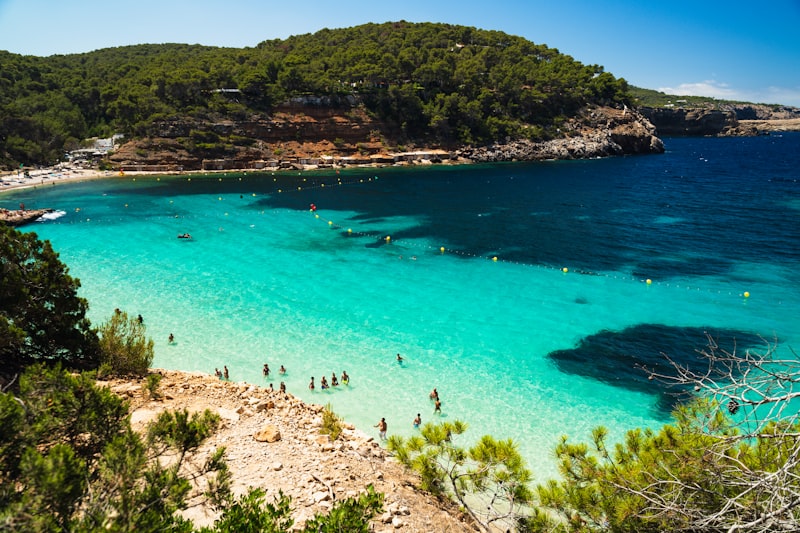
There is a ferry from Ibiza to Formentera that takes thirty-five minutes. In those thirty-five minutes, everything changes.
Ibiza is one of the world's great pleasure machines — a seven-by-fourteen-mile island that has spent fifty years building the most efficient infrastructure for excess in Europe. The clubs, the boats, the restaurants, the hotels, the terraces, the market stalls, the taxi queues at three in the morning: all of it is calibrated with extraordinary precision toward the same end, which is a certain kind of very expensive, very loud, very visible good time.
Formentera has none of this. Formentera is the island Ibiza looked at, considered, and decided not to become.
It is twelve miles long. It has one main road. The highest point is eighty-three metres above sea level. There are no clubs. There are no casinos. There are no mega-yachts anchored in the harbour, because there is no harbour large enough for a mega-yacht. There are scooters, and bicycles, and small fishing boats, and unpaved paths through pine forest that lead to beaches of such improbable beauty that the first time you see them you assume they must be closed for a reason.
They are not closed. They are simply there — open and free and astonishingly beautiful and, for most of the year, attended by a crowd that is small enough that you will find a patch of sand that feels, improbably, like your own.
Formentera matters right now for the same reason it has always mattered, which is that the rest of the world is getting louder and more accelerated and more documented, and Formentera is not.
The island has, by geography and by inclination, resisted the development that has transformed the rest of the Balearic islands. The building regulations are strict. The natural park that covers more than half the island's area prevents construction of any kind. The ferry link to the mainland passes through Ibiza, which acts as a natural filter: only people who have specifically decided to come here arrive, and people who specifically decide to come here are, in the main, not people who want to be photographed in front of a laser light show.
The crowd that Formentera attracts — international, design-literate, with incomes sufficient to afford the island's increasingly expensive restaurants and accommodation, but with the taste to prefer a barefoot lunch to a table reservation at somewhere impressive — is among the most interesting in Europe. The conversations on the beach at Illetes are substantially more interesting than the conversations at most dinner parties in London or Paris or Milan. This is partly because the beach tends to remove pretension, and partly because the kind of person who chooses Formentera over Ibiza or Mykonos has generally already worked out what actually matters to them.
Rent the scooter the day before. Formentera without a scooter is an island experienced at half-speed, which is still significantly better than most places at full speed, but the scooter unlocks the island properly — the unpaved tracks through the salt flats, the lighthouse at La Mola at seven in the morning, the path through the pine forest to Playa Migjorn that the cars can't reach.
Begin at the lighthouse. La Mola sits at the island's eastern end, eighty metres above the sea, and in the early morning — before the day-trippers arrive from Ibiza, before the heat becomes heavy — the quality of light is extraordinary. The Balearic Islands spread across the horizon. On clear days, Mallorca is visible. Menorca sometimes. The Spanish coast, never — you are looking out toward open water, toward Africa, and the scale of the Mediterranean becomes suddenly legible in a way that it rarely does from the beach.
Illetes beach by ten. Not the section of Illetes beach that appears in the photographs — the narrow spit of sand that extends toward Espalmador and is, in July, so crowded that the sand is invisible beneath the bodies. The northern end, where the path along the spit narrows and the sand becomes a tongue extending into water that is three shades of blue simultaneously. Swim. Float. Read. Come back for lunch.
Lunch at Juan y Andrea, which has been serving fresh fish and paella directly on the Illetes beach since before the island was fashionable, and which has not changed despite the island becoming fashionable because it does not need to. The paella takes forty minutes. Order it when you arrive. Swim while you wait. Eat at a table with sand under your feet and water within wading distance and wine that is cold and local and irrelevant to everything except the moment.
The afternoon: the salt flats. Formentera's interior is flat and strange and entirely unlike its beaches — a landscape of salt lagoons and ancient windmills and roads that run arrow-straight between pine trees, with flamingos in the lagoons if the season is right and a quality of silence that belongs to a different category from the silence of a beach or a forest. Cycle through it slowly. It takes an hour and changes your understanding of the island.
The Formentera long lunch is not a performance. There are no tablecloths. There are rarely menus — or rather, the menu is whatever the sea produced last night and what the kitchen decided to do with it this morning. You eat with sand on your feet and salt on your skin and the smell of sunscreen and seawater in the air, and the food is, by any rational measure, among the best you'll have anywhere in Europe.
This is the secret that serious food travelers have been protecting about Formentera for two decades: the simplicity is not a limitation. It's a philosophy. A plate of grilled red mullet eaten at a table six feet from the water that produced it, dressed with nothing except local olive oil and coarse salt and a wedge of the lemon growing in the pot by the door — this is not less than the tasting menu at a three-star restaurant. In certain fundamental ways, it is more.
Es Ca Marí does this better than anywhere on the island and has done for thirty years. No reservations. Arrive when it opens. Order what they tell you to order. Stay for as long as you need to.
They go to Illetes in the morning, before eleven, when the day-trippers from Ibiza haven't arrived and the spit of sand feels private in a way that it won't again until September.
They go to Migjorn beach in the afternoon, specifically the stretch in front of the Gecko Beach Club — which is, despite the name, less a club than a very good restaurant and bar built directly on a beautiful beach, with music at a volume that allows conversation and an aesthetic that feels Italian rather than Ibicencan. The crowd here is different from the Illetes crowd — slightly older, more interested in eating well than in being seen, arriving with the specific contentment of people who have made the right decision about where to spend their summer.
And they go to the sunset at Cap de Barbaria — the lighthouse at the island's southern tip, where the sun sets directly over the sea and the assembled crowd is small enough, and quiet enough, that the spectacle feels private.
Gecko Beach Club. Migjorn beach. The best hotel on the island by some distance, and the reason is simple: it is built correctly, in the sense that the relationship between the rooms and the beach and the restaurant and the water has been thought through rather than assembled by committee. The rooms are small and correct. The beach is directly in front of them. The restaurant is exactly what it should be. Nothing is trying to be anything else.
Can Domo. An agrotourism property in the island's interior — a restored traditional Formenteran farmhouse with six rooms and a pool and a garden that produces the vegetables for the kitchen and a quality of silence that the beachfront properties cannot match. For the traveler who wants Formentera to be slow all the way through rather than only on the beach.
Hostal La Savina. For those who want the complete Formentera experience without spending what the above properties cost — which is considerable — La Savina is the original, the honest version: a small family hotel in the harbour village, without pretension, with excellent local intelligence about where to eat and where to go at what time. Some of the most important hotel stays are the ones where the owners know the island better than any guidebook.
The silver jewellery sold at the artisan market in Sant Francesc on Saturday and Wednesday mornings is genuinely worth attention. The Balearic artisan jewelry tradition draws on Moorish and North African influences and produces pieces — heavy silver rings, layered chains, geometric pendants — that are distinct from anything you'll find in a mainstream jewelry store and priced in a way that still reflects the fact that this is a craft market rather than a boutique.
The local salt. Formentera's salt flats have been producing sea salt since Phoenician times, and the fleur de sel harvested here is among the best in the Mediterranean — delicate, mineral, the product of the specific relationship between wind and water in the island's lagoons. It is also, in the supermarket in Sant Francesc, extremely inexpensive.
Formentera's water is the best in the Mediterranean. This is not a subjective assessment — the clarity, the absence of algae, the visibility to depth — these are measurable and have been measured, and the island's waters consistently rank among the clearest in Europe. Swimming in them is a specific physical experience that is difficult to describe and easy to remember. If you have never seen the sea bed at fifteen metres of depth with the kind of clarity that makes distance irrelevant, you have not swum in Formentera's water.
The cycling infrastructure on the island is genuinely excellent — flat, well-maintained cycle paths connect all of the main villages, the lighthouse, and many of the beaches. A morning on a bicycle covers more of the island's character than a week of beach-lying, and the physical experience of cycling through the salt flats at dawn, when the flamingos are active and the light is pale and low, is one of the better things available to a traveler anywhere in Europe.
Stay overnight. The island becomes a different place after the day-trippers return to Ibiza. The restaurants empty slightly. The beaches quiet. The people who remain are the people who came because they actually wanted to be here.
Rent a scooter or bicycle. Not a car. The car is the wrong scale for this island.
Leave your phone in your bag for an afternoon. Not as a wellness practice. As a practical matter. There are no photographs that improve Formentera. There is only being there.
June and September. July is crowded but manageable. August is very crowded. October is when the island belongs to the locals again and is, if you can make the timing work, worth a visit for that reason alone.
We have been coming to Formentera for longer than we have been writing about it. We came before it was fashionable, during the period when it was fashionable, and we will come after whatever comes next, because the things that make it worth coming to — the water, the silence, the quality of the light in early September, the specific pleasure of a long lunch where the fish was caught this morning — are not fashionable things. They are permanent things.
There is nowhere we would rather spend four days in August. There is also nowhere we find harder to leave.
From the Paradise Editor — Aethernal. Updated seasonally.
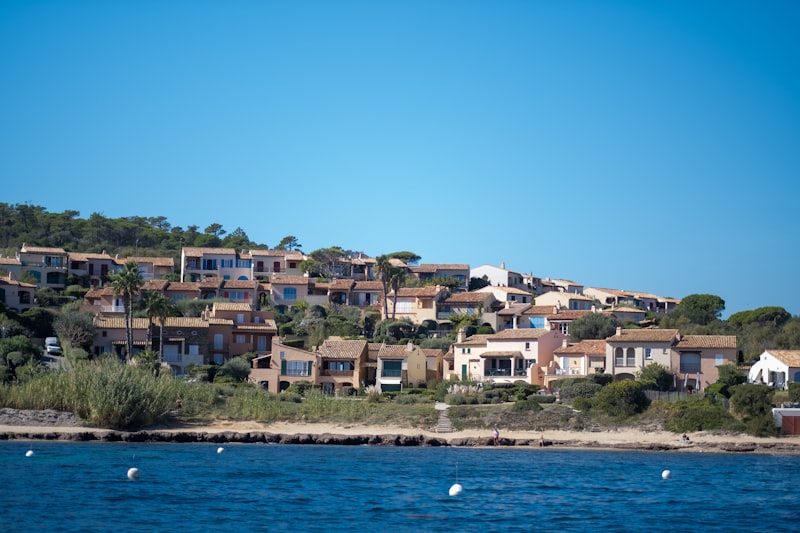
Saint-Tropez has spent the last sixty years being declared finished. Brigitte Bardot ruined it in the 1950s. The yachts ruined it in the 1970s. The club scene ruined it in the 1990s. The Instagram crowd ruined it in the 2010s. And yet every summer it assembles itself again — the harbour fills, the rosé appears on every table, the specific social algorithm that converts strangers into people who will remember each other for years begins to operate — and the question of whether it's been ruined seems, by the third evening, entirely academic.
Saint-Tropez is not a place. It's a social technology. A machine for producing a particular kind of summer — warm, slightly reckless, organised around pleasure rather than productivity — that has no meaningful competitors anywhere in the world.
The village itself is small enough to walk across in fifteen minutes and beautiful enough that the walk is always worth taking: the old fishing port, the Place des Lices where the locals play pétanque on Tuesday and Saturday mornings with the cheerful indifference of people who have been doing this since before you were born, the medieval citadel above the town from which the entire Golfe de Saint-Tropez is visible on clear days. The beaches are not in the village — they're a five-minute drive to the south, along the peninsula, where Pampelonne stretches for three miles and contains the most famous succession of beach clubs in the world.
None of this is secret. The secret is how to be here correctly, which is a different question.
Saint-Tropez matters right now because it has found, after several years of excess that threatened to reduce it to a theme park of itself, a new equilibrium. The clubs are still there — Club 55, Nikki Beach, the bars on the port that go until four in the morning — but alongside them has grown a different Saint-Tropez, one that is more interested in the table than the dancefloor, more interested in the morning than the night, more interested in the village than the beach club.
The restaurant scene has become, quietly, genuinely serious. A generation of chefs has arrived who are cooking with the produce of Provence — the olive oils of the Var, the lavender, the stone fruits, the fish from the gulf — with rigour and imagination. The markets on Place des Lices are extraordinary: olive vendors who have been selling from the same stall for twenty years, cheese producers who drive two hours from the mountains, fishermen selling directly from their catch. If you come to Saint-Tropez and eat only at restaurants, you are missing half the point.
The crowd has also, slowly, become more interesting. The Russian ultra-wealthy who dominated the harbour in the 2000s have largely moved on. What remains is a mix of old French money with houses in the hills, an Italian contingent who understand pleasure in a fundamentally serious way, and a global creative class that has discovered that Saint-Tropez is, once you get past the yachts and the Instagram, an extraordinarily beautiful village in an extraordinarily beautiful landscape that happens to have very good restaurants and a social scene that rewards curiosity.
Begin at the market. Tuesday and Saturday, Place des Lices, from eight in the morning. This is the version of Saint-Tropez that existed before Bardot and will exist after the last yacht has left the harbour. Buy the tomatoes. Buy the cheese. Buy a bunch of lavender because it is Provence and you should. Drink a café crème standing at the bar of the café on the corner of the square that has been there since 1938 and will be there long after everything currently fashionable has closed.
The morning belongs to the village: the Annonciade Museum, which has one of the best collections of Fauvist and Post-Impressionist painting in France and receives approximately one-tenth of the attention it deserves; the old fishing quarter of La Ponche, where the streets are narrow and the architecture is unchanged and the cats are numerous; the harbour, which is best seen before noon, when the scale of the boats has not yet become oppressive and the working fishermen are still visible alongside the tourist economy.
Lunch at Club 55. Yes — the most famous beach club in the world, which is a cliché and also genuinely excellent, in the specific way that things become famous because they are very good and then remain very good because they understood why they became famous. The sea bass is grilled whole. The rosé is served in a pitcher. The crowd, on a good afternoon, contains a cross-section of Saint-Tropez at its most itself: artists, billionaires, French film people, Italian fashion people, and a significant number of people who simply like a good lunch and can afford this one.
The beach at Pampelonne in the late afternoon — after four, when the crowd thins and the angle of the light changes and the water turns from gold to silver. Walk south along the sand to the section in front of Moorea beach, where the density of people is lower and the quality of the late afternoon silence is higher. Swim. The Mediterranean in July is warm enough that you can stay in until the sun has dropped to the horizon.
Aperitivo at Sénéquier on the harbour, arriving at seven-thirty — after the worst of the early-evening crowd, before the dinner crowd. The red awnings of Sénéquier have been a fixture of the Saint-Tropez harbour since 1887. The nougat is still made in the original recipe. The tables on the port give a view of the boats and the village and the hills beyond it that makes the price of a glass of wine feel reasonable regardless of what the bill says.
Saint-Tropez has perhaps the highest density of excellent long lunch options of any village its size on Earth. This is not an accident. The village has attracted people who know how to eat well for sixty years, and the restaurants have evolved accordingly.
La Vague d'Or at the Résidence de la Pinède has three Michelin stars and Arnaud Donckele, who is one of the most talented chefs currently working in France. The tasting menu is long and it should be. The wine list is extraordinary. The terrace opens directly onto the bay. This is, by any reasonable assessment, one of the great restaurant experiences in Europe, and it costs accordingly. Order it at least once.
Chez Camille in Ramatuelle, ten minutes' drive from the port, in a village that most Saint-Tropez visitors never visit. Provençal cooking of the kind that has no interest in the Michelin inspector's preferences — the bourride is made from the recipe the grandmother used, the wine is from the vineyard at the end of the road, the tart au citron is not technically perfect and is spiritually correct. The lunch extends as long as you allow it to. We have been here for five hours. We regret nothing.
Club 55 is both obvious and correct. We recommend it without embarrassment. The beach club that Patrice de Colmont's mother founded in 1955 — originally to feed the cast and crew of And God Created Woman, the Bardot film that put Saint-Tropez on the map — remains, seventy years later, exactly what it should be. Very good food. Excellent rosé. Tables that are difficult to reserve and worth the effort. A crowd that has been coming here for a generation and treats the place with the loyalty that very good restaurants earn.
Tahiti beach. The section of Pampelonne immediately north of Club 55, with no beach club affiliation, attended by a crowd that is French and local and uninterested in being photographed. The water is the same. The space is better.
Place des Lices at dusk. Not for aperitivo — for the pétanque, which continues regardless of the season and the crowd and the famous people walking past. Watching two elderly Tropéziens play pétanque in the square as the light turns golden and the market stalls have been packed away and the village returns briefly to itself is, quietly, the most beautiful thing Saint-Tropez offers.
Hôtel de Paris Saint-Tropez. The best position in the village — directly above the harbour, with rooms that face the bay and a rooftop pool from which the view extends to the hills above Grimaud. The scale is right: not so large that you feel anonymous, not so small that you feel the weight of intimacy. The bar is one of the better ones in the village after eleven.
La Réserve Ramatuelle. Ten minutes from the village, above the vines, with a view across the gulf that encompasses both the Saint-Tropez peninsula and the Maures mountains. The architecture is contemporary Provençal in a way that is sincere rather than pastiche. The spa is serious. The restaurant serves dinner until midnight, which is the correct Saint-Tropez schedule. For those who want the best of the region without the concentration of the village.
Pastis Hotel St Tropez. For a smaller, more personal version of the Saint-Tropez hotel experience — a converted Provençal house in the village with nine rooms, a courtyard garden, and the atmosphere of staying with friends who happen to have an exceptionally well-curated home. The couple who run it have strong opinions about where to eat and where to drink and will share them if asked.
The tarte tropézienne from the original Micka bakery on Place des Lices. Alexandra Micka invented the tarte — a brioche filled with cream, flavoured with orange blossom — in 1955, named it after the village on the suggestion of Brigitte Bardot, and it has been the correct thing to eat for breakfast in Saint-Tropez ever since. Get it warm. Eat it at the square. Do not attempt to transport it home.
The Dior saddle bag, if your budget allows it, from the Dior boutique on rue François Sibilli. Saint-Tropez and Dior have been intertwined since Carmel Snow photographed the first Dior collection on a sailboat in the harbour in 1948, and the boutique here has the complete range in leather colours and combinations not always available elsewhere. This is a legitimate reason to visit.
The santons — the traditional Provençal clay figurines — from the market stalls in the old town. Not the tourist versions made in bulk, which are everywhere. The handmade version from the artisan who has been working in the same studio for twenty years, which are small and eccentric and entirely of the region.
The Ligne St-Barth spa treatments at La Réserve use products made from Caribbean botanicals — a nod to the Caribbean connection that Saint-Tropez shares with Saint-Barth, the other great summer playground of the global élite. The body oils in particular are worth bringing home.
Morning yoga on the beach, before eight, before the beach clubs open. Several of the hotels arrange this privately; if yours doesn't, ask. The experience of doing yoga on an empty Mediterranean beach as the sun comes up over the Maures hills is worth the early alarm.
Arrive before lunch. The morning version of Saint-Tropez — the market, the harbour, the cafés before the crowd — is a different and better village than the afternoon version.
Dress simply. The people who look best in Saint-Tropez are always the ones who are wearing the least and wearing it correctly. Linen. Natural leather. Sunglasses that don't try too hard.
The best stories begin after dessert. Stay until after midnight at least once.
The traffic on the D98A in high summer is not a metaphor. It is a fact. Take a boat to the beach clubs whenever possible. Several of the hotels operate launches. The fishermen will negotiate a price for almost any journey.
June and early September. The two weeks around Bastille Day in July are, if you can arrange it, extraordinary — the village at maximum social intensity. August is the time when the people who don't know Saint-Tropez arrive, which changes the atmosphere significantly.
We have argued among ourselves about Saint-Tropez. One of us finds it too loud, too full of money performing itself, too far from the Provence that exists twenty minutes inland in the village of Grimaud or the hill towns above Ramatuelle. The other finds it irreplaceable precisely because of what it is — a machine for a certain kind of summer that has no equivalent, that produces evenings and lunches and mornings by the harbour that are not available anywhere else in the world at any price.
We include it here because the second argument wins, as it always does, by the time the rosé arrives.
From the Paradise Editor — Aethernal. Updated seasonally.
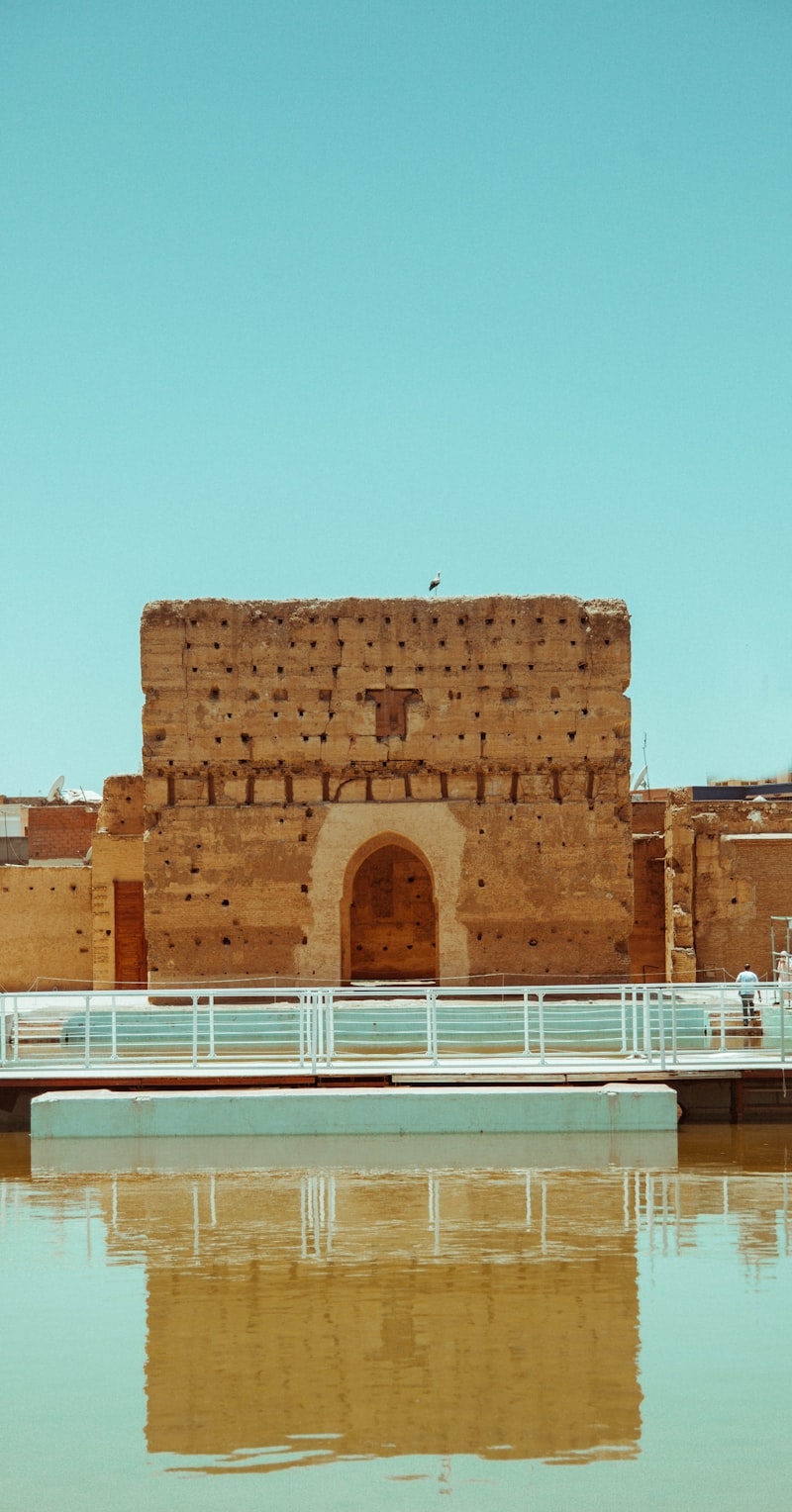
Every city has a logic. Paris is organized around the river and the arrondissements and the long straight boulevards that Haussmann drove through the medieval fabric in the nineteenth century. New York is the grid. Rome is the layering of centuries, one civilization's ruins serving as the foundation for the next. The logic is always visible once you learn to read it.
Marrakech refuses to be read.
The medina — the old city, the labyrinth, the three thousand alleys that the guidebooks describe with words like 'winding' and 'confusing' that come nowhere near the reality — was designed, if that is the right word for something that seems to have grown rather than been planned, with the explicit intention of disorienting the visitor. The alleys narrow and widen and dead-end and double back and open suddenly into squares that have no name and then close again into passages barely wide enough for one person and their load.
This is not an inconvenience. This is the architecture of a city that understood, centuries before the concept of the experience economy, that getting lost is not a problem to be solved. It is an experience to be had.
Every door hides another world. You know this before you arrive because everyone says it. You understand it only after you've pushed open the third unremarkable door in an unmarked alley and found yourself in a courtyard of fountains and tilework and orange trees that appears to belong to a different century. The city does this repeatedly and without apology and the effect, over time, is a kind of productive disorientation that makes you more available to experience than you usually are.
Marrakech is experiencing a creative renaissance that is drawing a generation of artists, designers, architects, and writers who are finding in the city's combination of craft tradition, light, and relative affordability something that neither Paris nor London nor New York currently offers.
The design community has been aware of this for years — Bill Willis, the American decorator who moved to Marrakech in the 1960s and spent forty years developing a visual language that merged Moroccan craft with contemporary Western design, created a template that has inspired two generations of followers. The city's crafts — the zellij tilework, the carved stucco, the brass and copper metalwork, the hand-loomed textiles — are among the most sophisticated in the world and are produced by artisans working in the same neighbourhood foundries and workshops they've occupied for centuries.
The food scene has similarly become more interesting. A generation of Moroccan chefs, trained in Europe and elsewhere, has returned to the city and is reinterpreting the country's extraordinary culinary heritage — the tagines and bastillas and couscous and preserved lemons and argan oil — with a rigour that goes beyond the tourist-facing version that most visitors encounter.
The accommodation options have expanded from the grand hotels and the basic riads to include some of the most interesting properties in the world: riads renovated by architects and designers with genuine vision, producing spaces that are simultaneously authentically Moroccan and completely contemporary.
Wake at six. Not because this is a wellness prescription but because Marrakech before seven is a city that belongs to the people who live there: the bread being delivered, the call to prayer still audible over the medina, the water sellers and the porters and the cart horses and the motorcycles beginning the day's work. The Djemaa el-Fna — the great square — is at this hour a working space rather than a spectacle. Drink coffee at one of the café terraces above it and watch.
The souks before nine. The light in the covered alleyways of the souks — filtered through the woven reed roofing, dappled by the gaps and the motion of people moving beneath it — is the light that has attracted painters and photographers to Marrakech for a century. Delacroix came in 1832. Henri Matisse came in 1912 and 1913 and the light did what it always does and changed the way he worked forever. The souk light is not reducible to a photograph. It requires presence.
Navigate toward the dyers' souk — the Souk des Teinturiers — in the early morning, before the heat makes the smell of the dyes overwhelming. The craftsmen working the vats of saffron yellow and indigo blue and poppy red are doing exactly what their predecessors did six hundred years ago. This is not performance. This is production.
Lunch at Dar Yacout. The riad restaurant of the Moulay Yacout palace, where the lunch begins with a procession of cold salads — a dozen small plates of roasted peppers and preserved lemon and zaalouk and briouats and things you won't be able to name but will eat completely — and continues through a bastilla and a tagine and finishes, correctly, with mint tea poured from a height into small glasses on a rooftop terrace above the medina.
The afternoon siesta is not optional. Marrakech in July and August reaches forty degrees by two in the afternoon, and the correct response to this is the one that the city has practised for centuries: a darkened room, a fan, a flat surface, two hours. This is not laziness. This is adaptation.
The evening begins at the Djemaa el-Fna at dusk, when the square transforms from the relatively quiet daytime version — snake charmers, orange juice vendors, the occasional tooth-puller — into the evening version, which is among the great spectacles of the Mediterranean world: storytellers, musicians, acrobats, food stalls selling every variation of Moroccan street food, the smell of cumin and harissa and charcoal, the sound of a dozen musical traditions happening simultaneously.
The Moroccan long lunch is a form of hospitality that predates the restaurant. It begins, always, with mint tea — poured three times, each pour sweetening the tea further, with the first glass for life, the second for love, the third for death, in the traditional description. Declining the tea is, quietly, declining the relationship. Accept it.
Nomad, on the edge of the Rahba Kedima market, is the best contemporary Moroccan restaurant in the city — a rooftop with a view of the minarets, a kitchen that takes the country's ingredient traditions seriously without being precious about them, and a wine list (Moroccan wines, which are significantly better than their reputation) that has been assembled with genuine care. Arrive at one. Leave when you are ready.
Le Jardin in the Mouassine neighbourhood operates in a riad garden that was once a palace courtyard — the kind of space that makes you understand why the riad form exists, why the Moroccan tradition of turning inward from the street toward a private paradise is one of architecture's great ideas. The food is good. The garden is extraordinary. The mint lemonade is one of the finest cold drinks available in any climate.
The Marrakech creative community — the designers, the artists, the architects, the international crowd with houses in the palmeraie — gravitates toward a handful of places that are not particularly visible to the tourist infrastructure.
The Comptoir Darna. A restaurant that has been open for twenty years and has stubbornly refused to become what its location and its décor would suggest. The food is Moroccan-French and more serious than it needs to be. The bar after midnight on a weekend is where the city's international creative community does most of its social business.
The terrace of the Café de France on the Djemaa el-Fna. Not because it's fashionable — it isn't — but because the view from the terrace at five in the afternoon, with a glass of mint tea and the square assembling itself below, is one of the most instructive vantage points in the city. You learn more about how Marrakech works from an hour on this terrace than from a week in the riads and the restaurants.
The Yves Saint Laurent Museum. Which is, if you are at all interested in the relationship between fashion and place and the way that a particular quality of light in a particular city can change how an artist sees, one of the most moving museums in the world. Laurent came to Marrakech in 1966 and the city entered his work immediately and permanently — the colors, the embroideries, the geometric patterns of the zellij tiles, all of it visible in collections for thirty years afterward.
La Mamounia. The grande dame of Marrakech, renovated most recently in 2009 to a standard that managed the near-impossible task of preserving the 1920s atmosphere while updating the service and the rooms to contemporary standards. The gardens — four hectares of olive trees and rose bushes and fountains — are among the most beautiful in Africa. Churchill stayed here. Hitchcock stayed here. The current guest list, any afternoon at the pool, contains an interesting cross-section of the global wealthy. The Churchill restaurant serves breakfast until noon, which is the correct approach to breakfast.
El Fenn. The hotel that, more than any other in Marrakech, understands how to be both authentically Moroccan and genuinely contemporary. Vanessa Branson's riad has been developed over two decades into a layered, eccentric, beautiful space with twenty-two rooms across several interconnected riads, a roof terrace with a view of the Koutoubia, a bar that stays open as late as the conversation warrants, and a collection of contemporary Moroccan and international art that is serious in the right way.
Dar Darma. Eight rooms in a restored riad in the Medina, run by a French-Moroccan couple with strong opinions about how a riad should function — which is to say, as a home rather than a hotel. No restaurant. Breakfast on the terrace. An address book of recommendations that reflects twenty years of living in the city rather than a concierge desk managing tourist expectations.
The wool blankets from the Ensemble Artisanal on Avenue Mohammed V. Fixed prices (rare in Marrakech), quality control that the souks cannot guarantee, and a selection of the hand-loomed Berber textiles that represents the breadth of the Moroccan textile tradition from the High Atlas to the Saharan south. These are not souvenirs. They are objects that will be on your bed for twenty years.
The argan oil from the women's cooperative in the Palmeraie. Not the tourist-facing shop version but the actual cooperative — the one run by Berber women from the Souss region using traditional stone mills. The oil tastes nothing like the commercial version. Buy it for cooking and for your skin, in the correct understanding that these are not entirely separate uses.
The leather goods from the tanners' quarter — but only if you can navigate to a vendor who sources directly from the tanneries rather than from the souvenir supply chain, which requires either knowledge or a guide with genuine relationships. The leather from the Chouara tannery, dyed with the same natural pigments that have been used for six hundred years, is among the finest in the world and costs a fraction of what similar quality would command from a European luxury house.
The ceramics from Fes are available in Marrakech, in the better medina shops, and are worth the search: the blue and white faience tradition of Fes is one of the great surviving craft traditions in the world, and the best pieces — hand-painted by craftsmen who have spent years learning the patterns — are genuinely beautiful functional objects that have nothing to do with the mass-produced versions sold on the market stalls.
The hammam. This is not optional. The Moroccan hammam — the steam room, the black soap made from olive oil and eucalyptus, the kessa scrub that removes approximately two layers of skin and leaves what remains feeling like you have been issued a new body — is one of the oldest and most effective wellness practices in the world. The traditional version, at a neighbourhood hammam rather than a hotel spa, costs around two euros and is significantly more interesting. Ask your hotel which neighbourhood hammam they recommend. Go in the morning before the heat.
The Agafia Spa at La Mamounia uses traditional Moroccan treatments — the rhassoul clay mask, the argan oil massage, the rose water treatments — that reflect the country's actual botanical and mineral heritage rather than a generic luxury spa vocabulary imported from abroad. The hammam here is the best version of the form in a hotel context in the city.
Walking the medina. Not as tourism but as exercise — two hours at pace through the alleys, navigating by instinct and smell and sound rather than GPS, will provide a cardiovascular experience alongside a sensory one. The medina is hilly in ways that maps don't reveal. The hills are worth the effort.
Wake early. Shop late. The medina in the early morning and the early evening is a different city from the midday version.
Spend sunset above the medina. The rooftop terraces above the souks have the best view of the city as the light changes and the call to prayer moves across the rooftops.
Accept getting lost as part of the experience. Not as a coping mechanism for poor navigation. As an active choice. The most interesting places in the medina have no addresses and no signs and no reason to be found except by wandering toward them.
Learn three words of Darija. The Moroccan dialect of Arabic. Shukran (thank you). Labas (fine, how are you). Bismillah (in the name of God, said before beginning anything). These three words, deployed correctly, will transform your experience of the city.
March through May, and October. The heat of July and August in Marrakech is serious. November through February is mild and uncrowded and, in certain lights, more beautiful than summer.
Marrakech is the most demanding city in this guide and the most rewarding. It asks something of you that the other destinations don't: the willingness to be genuinely lost, to be genuinely confused, to operate in a context where your usual navigational tools — the map, the review, the recommendation, the star rating — are insufficient. The city requires a different kind of attention. A slower, more open kind. The kind that is willing to follow a sound rather than a destination, to push open a door because it looks interesting rather than because anyone has told you what's behind it.
Every time we leave, we are certain we haven't understood it yet. We return to correct this. We are always wrong. We return again.
From the Paradise Editor — Aethernal. Updated seasonally.
Everyone arrives looking for sunset. The people who know the island are already halfway through dinner. By noon Oia becomes a stage. Cameras replace conversations and everyone seems to be chasing the same photograph. Paradise begins before that. Wake in Imerovigli before the cafés open. Listen to church bells instead of playlists. Book the boat instead of another viewpoint.
Santorini has quietly evolved. Luxury travelers are trading oversized cliff hotels for intimate cave suites, volcanic wine tastings and long afternoons on the water. The island feels richest when nothing is scheduled.
Forget the postcards. Miami reinvents itself every few seasons. One morning starts with coffee beneath banyan trees in Coconut Grove. By afternoon you're walking through the Design District surrounded by architecture, galleries and fashion houses. Sunset belongs to South Pointe, where locals drift into the ocean just as the skyline begins to glow.
The city's luxury isn't defined by beachfront anymore. It's defined by movement. Members clubs, wellness studios, boutique hotels and independent restaurants are reshaping the city. Miami rewards curiosity.
The Amalfi Coast makes little sense by car and perfect sense by boat. Charter the smallest vessel you can find. Let your captain choose lunch. Swim wherever the water turns impossibly blue. The villages become scenery instead of destinations.
Luxury here isn't another reservation. It's having nowhere to be before dinner. Long lunches always beat packed itineraries.
Ibiza celebrates excess. Formentera celebrates silence. Scooters replace sports cars. Barefoot lunches stretch into late afternoons. Water shifts from turquoise to sapphire every hour. This isn't a place to optimize. It's a place to slow down.
Stay overnight and the island changes entirely. The day-trippers leave and something quieter — something rarer — takes their place.
Saint-Tropez isn't really about yachts. It's about timing. Lunch becomes an event. Aperitivo becomes a ritual. Dinner turns into dancing without anyone announcing the transition. Every season brings a new terrace, a new hotel reopening and a new reservation everyone suddenly wants.
Arrive before the crowds. Leave after midnight. The best stories begin after dessert.
Marrakech isn't meant to be conquered with an itinerary. Every alley smells different. Every riad hides another courtyard. Every rooftop reveals another sunset. Walk without a map. Follow the sound of music. Let the city surprise you.
The best riads are not on the booking platforms. The best restaurants have no menus. The city rewards the traveler who asks.